Sugar
Elizabeth Abbott
Category: History,
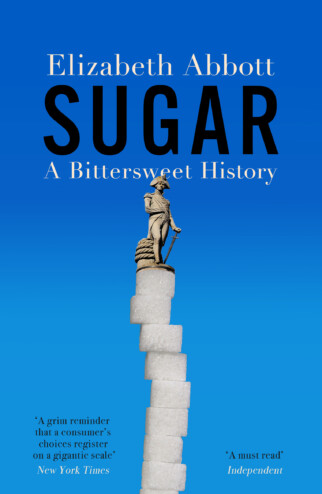
Sugar was once the most powerful commodity on earth. It shaped world affairs, influenced the economic policies of nations, drove international trade and left a legacy of suffering that still resonates today. But how did a substance that began as an expensive luxury of the wealthy become a staple in the modern world?
In Sugar this dark history is unveiled, from the horrors of the transatlantic slave trade to the environmental devastation caused by sugar cultivation. Richly detailed and thoroughly compelling, Elizabeth Abbott traces sugar from its very origins to the twenty-first century, examining the true cost of satisfying the world’s sweet tooth.
Reviews
-
'A highly readable and comprehensive study of a remarkable product... rare eloquence and passion... a must-read' Independent
-
'A grim reminder that a consumer's choices register on a gigantic scale' New York Times
-
'Reading this graphic tale of the global havoc sugar has caused and continues to cause, you might wonder why sugar is not a banned substance; it seems to have done as much harm as opium or heroin... [Abbott's] style is vivid and she's done her research, right back to her sugar plantation Antiguan ancestors. It's a good read - but it might stay your hand next time you reach for a chocolate biscuit to enjoy with your coffee' Irish Times
-
‘Captures the horror of slave-grown sugar... [a] fascinating book' Daily Mail
-
'Zestful... belongs to that recent genre of food histories which have had huge public appeal... Abbott's breezy and energetic style will doubtless find an enthusiastic readership among people keen to make sense of the world around them via the history of this remarkable commodity' BBC History
-
‘The blood drenched history of sugar is carefully mapped out in Elizabeth Abbott’s impressive overview, which is guaranteed to make you choke on your chocolate… Enlightening and as dismaying as a sugar crash’ Metro
-
‘Epic in ambition, Sugar interweaves the invention of the global sugar industry with its far-reaching effect on New World slavery [and] the environment’ Wall Street Journal